

Several factors can contribute to the need for clear aligners. Genetic influences such as jaw size and inherited alignment issues often play a role. Childhood habits like thumb sucking or tongue thrusting can affect tooth positioning. Early or delayed loss of baby teeth may lead to spacing or crowding problems later in life. Differences in jaw growth and natural shifting of teeth with age can also cause misalignment.
Clear aligners are advanced orthodontic appliances designed to straighten teeth using a series of custom made, transparent trays. These trays apply gentle, controlled pressure to gradually move teeth into proper alignment. Each set of clear aligners is typically worn for one to two weeks before moving to the next stage. Because they are removable and nearly invisible, clear aligners for teeth offer a discreet and comfortable alternative to traditional metal braces. Often referred to as invisible teeth braces, they are digitally planned and tailored to suit your unique smile.
Clear aligners are ideal for individuals who want to improve their smile without the appearance or discomfort of metal braces. They help correct crooked or crowded teeth, close gaps, and address bite problems such as overbite, underbite, and crossbite. Many patients at iSmile Dental, Coimbatore choose invisalign aligners or similar systems because they fit seamlessly into professional and social lifestyles. Beyond cosmetic improvement, straight teeth support better oral hygiene, improved chewing efficiency, clearer speech, and long term dental health, all of which we focus on during treatment planning.

Dr. Rohini
Cosmetic Dentistry Specialist
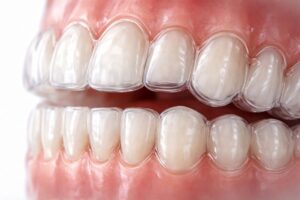
Clear aligners offer a discreet and aesthetically pleasing way to straighten teeth, making them a popular choice among adults and teens. Their smooth, custom fit design ensures comfort with minimal irritation. Because they are removable, maintaining oral hygiene is simple, allowing you to brush and floss normally. Invisible teeth braces also enable you to enjoy your favorite foods without restrictions. At iSmile Dental in Coimbatore, we offer digitally planned clear aligner treatment that ensures predictable outcomes with fewer clinic visits. Understanding the clear aligners cost helps our patients choose a modern orthodontic solution that balances comfort, effectiveness, and long term value.
1. Are clear aligners painful?
Clear aligners may cause mild pressure or discomfort when switching to a new set, which is normal and indicates that the teeth are moving as planned.
2. How many hours a day should I wear clear aligners?
For optimal results, clear aligners should be worn for 20 to 22 hours per day, removing them only while eating, drinking anything other than water, or cleaning.
3. How long does treatment with invisible teeth braces take?
Treatment duration varies depending on alignment complexity, but most cases are completed within 6 to 18 months.
4. What is the clear aligners cost?
Clear aligners cost depends on the severity of misalignment, treatment duration, and the type of system used, such as invisalign aligners.
5. Are invisalign aligners suitable for everyone?
Invisalign aligners work well for mild to moderate orthodontic issues. More complex cases may require alternative or combined orthodontic treatments, which your dentist will evaluate during consultation.